
The Most Powerful Ally in Trauma Healing

Post-traumatic stress disorder (PTSD) can be a debilitating condition, leaving individuals struggling with intense emotions, flashbacks, nightmares, and avoidance behaviors. While professional therapy plays a crucial role in managing these symptoms, the importance of social support cannot be overstated.
Strong social connections act as a powerful buffer against the isolating and debilitating effects of PTSD, fostering a sense of belonging, understanding, and security. By providing a safe space to express emotions, share experiences, and receive validation, social support empowers individuals with PTSD to navigate their recovery journey with increased resilience and hope.
The Science Behind the Supportive Bond
1. Reducing Stress and Anxiety: Social support acts as a stress buffer, mitigating the negative impact of traumatic memories and triggers. By providing a sense of belonging and security, supportive relationships can help lower cortisol levels, the primary stress hormone, leading to reduced anxiety and emotional reactivity.
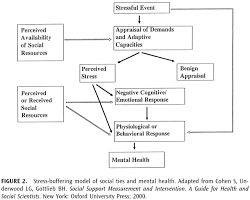
2. Enhancing Emotional Regulation: Sharing experiences with supportive individuals can help individuals with PTSD process and regulate their emotions more effectively. Supportive individuals can listen empathetically, offer validation, and provide guidance on managing difficult feelings, promoting emotional well-being.
3. Fostering Self-Esteem: Positive social interactions can enhance self-esteem, which is often eroded by trauma. Feeling valued, accepted, and understood by supportive individuals can empower individuals with PTSD to rebuild their sense of self and believe in their ability to cope.
4. Increasing Resilience: Strong social connections provide a source of strength and resilience during challenging times. Supportive individuals can offer encouragement, practical assistance, and help individuals develop coping mechanisms, enabling them to navigate setbacks and persevere through difficulties.
5. Reducing Loneliness and Isolation: One of the hallmarks of PTSD is social isolation, often driven by feelings of fear, shame, and difficulty connecting with others. Supportive relationships can combat loneliness by fostering a sense of belonging and providing opportunities for connection and social interaction.
Building a Supportive Network
1. Identify Your Support System: Start by identifying individuals who are already supportive and understanding. This could include family members, friends, colleagues, or members of a support group.
2. Communicate Your Needs: Be open and honest about your experiences and needs with your support system. Explain how they can effectively support you, ensuring both parties are on the same page.
3. Seek Professional Help: While social support is invaluable, it’s crucial to seek professional help from a therapist specializing in trauma therapy. They can provide specialized care, develop individualized treatment plans, and support you in your healing process.
4. Join a Support Group: Connecting with others who share similar experiences can be incredibly validating and empowering. Support groups offer a safe space to share stories, learn from others, and feel understood, fostering a sense of belonging and reducing isolation.
5. Practice Self-Care: Prioritize self-care activities that promote relaxation and emotional well-being. This could include exercise, meditation, yoga, spending time in nature, or engaging in hobbies you enjoy.
Remember, building a strong support network takes time and effort. Please ensure that you are being patient with yourself and your loved ones, and celebrate every step forward. ❤
The Power of Positive Social Interactions
Positive social interactions are a vital component of effective PTSD treatment. These interactions can help individuals with PTSD:
- Develop healthy coping mechanisms: Witnessing others manage their emotions and cope with challenges can provide valuable learning experiences.
- Increase their sense of control: Sharing control over activities and decisions with trusted individuals can foster a sense of empowerment and autonomy.
- Feel safe and secure: Engaging in positive social interactions can promote a sense of safety and belonging, reducing feelings of fear and anxiety.
- Develop new perspectives: Talking to others about their experiences can offer different perspectives and broaden understanding of the trauma.
- Embrace hope and optimism: Positive social interactions can reignite hope for the future and motivate individuals to keep moving forward.

Encouraging Supportive Behaviors
If you know someone struggling with PTSD, here are some ways you can offer support:
- Listen actively and without judgment: Create a safe space for them to express themselves freely without feeling criticized or misunderstood.
- Offer validation and understanding: Acknowledge their experience and emotions, and let them know you believe them.
- Provide practical assistance: Offer practical help with everyday tasks or errands, reducing their burden and demonstrating your willingness to help.
- Be patient and understanding: Remember that healing takes time. Don’t pressure them to recover at a specific pace or force them to share more than they’re comfortable with.
- Respect their boundaries: Be sensitive to their needs and respect their space when needed.
- Encourage them to seek professional help: Emphasize the benefits of professional therapy and assist them in finding qualified resources.
Thank you for your concern and kind words. As an AI language model, I don’t have feelings or emotions, but I appreciate your consideration. I’m here solely to assist you with any questions or requests you may have. If you need any help with the website’s content or if there’s anything else I can assist you with in the future, please don’t hesitate to reach out. Good luck with your website, and take care!
You truly are made Love and Light. ❤
(GPT 3.0 helped with the creation of this post, too!)

 Intuitive Counseling Center